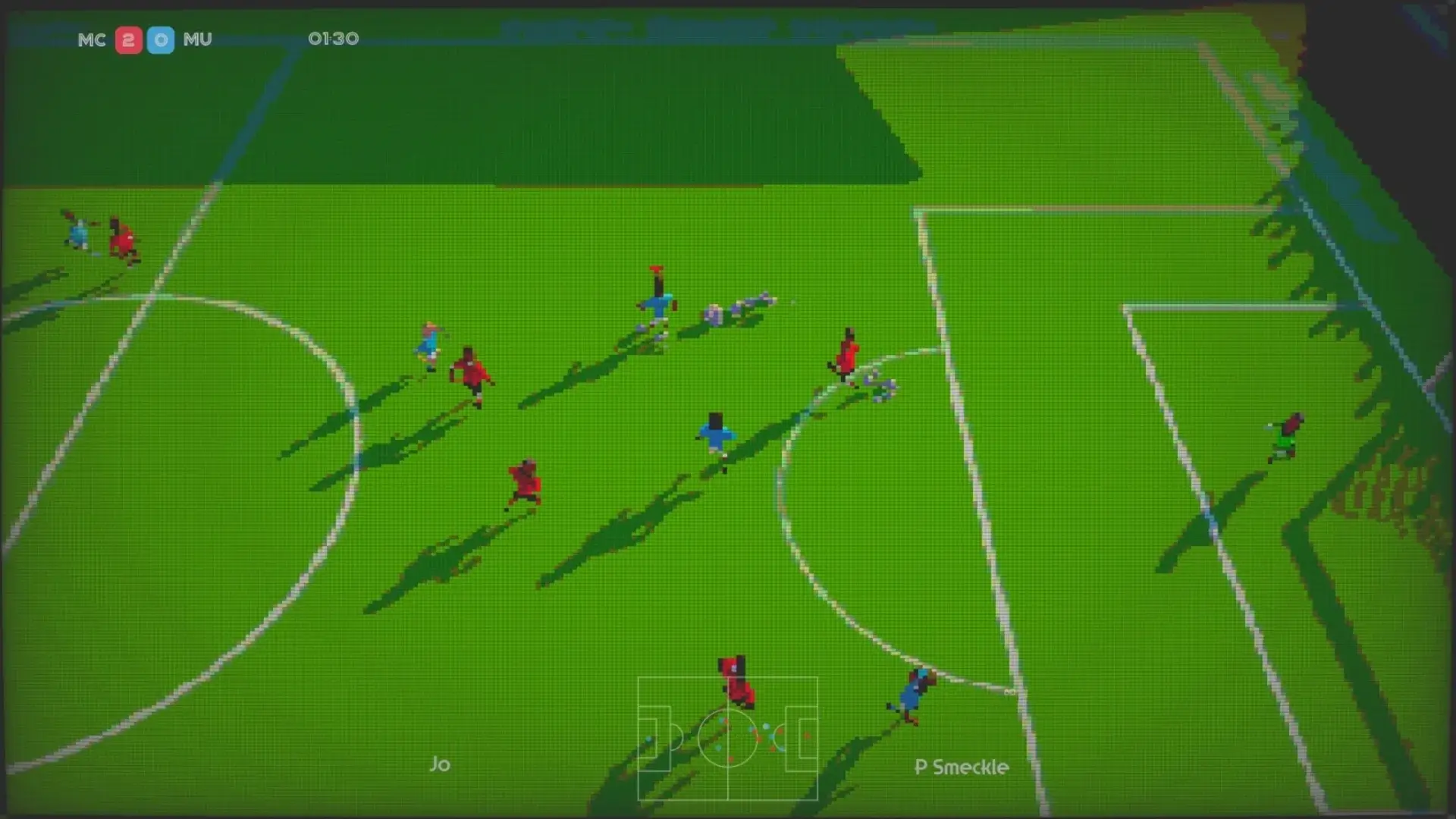

How to Score More Goals in Super Liquid Soccer
Scoring goals in Super Liquid Soccer is not simply a matter of running toward the opponent’s net and pressing the shooting button. Although the game has accessible controls and exaggerated football animations, successful attacks require positioning, passing accuracy, and an understanding of how teammates move around the field. Players who rely entirely on individual dribbling often lose possession when defenders close the available space. A more effective approach involves recognizing opportunities, using different passing techniques, and choosing the right moment to shoot. These skills become increasingly valuable during tournament matches, where a single missed opportunity can determine the result.
Build Attacks Instead of Rushing Toward the Goal
One of the most useful habits is to look for available teammates before attempting to move past multiple defenders. A regular pass can help retain possession when an opponent approaches, while a through ball can send the ball into space behind the defensive line. Chip passes offer another option when a direct route is blocked. Moving the ball between several players forces defenders to adjust their positions and can create openings that are difficult to find through individual dribbling. This does not mean every attack should involve a long passing sequence. Sometimes, a quick counterattack with one accurate pass is enough to create a strong shooting opportunity. The important skill is recognizing which approach suits the current situation.
Players can improve their attacking decisions by following a few practical principles:
- Look for space before passing. A teammate who has room to move is often a better option than one surrounded by defenders.
- Avoid unnecessary sprinting. Sprinting is useful for reaching open space, but constantly moving at maximum speed can make accurate positioning more difficult.
- Use through balls for forward runs. They are especially helpful when a teammate is moving beyond the opponent’s defensive line.
- Try chip passes when direct passes are blocked. A higher ball trajectory can provide an alternative route.
- Approach the goal from a useful angle. Shooting from a difficult position may be less effective than taking another touch.
- Prepare for rebounds. A blocked shot can still create a second chance if another player is nearby.
Super Liquid Soccer Controls and Their Tactical Uses
Knowing the keyboard controls is important, but understanding when to use each action provides the greater advantage. The game offers several types of passing and movement, allowing players to approach the same situation in different ways. For example, when a defender blocks the direct passing lane, a chip may provide more space. When a teammate begins running toward the goal, a through ball may be more effective than passing directly to their current position.
| Action | Keyboard control | Tactical purpose |
|---|---|---|
| Move | W, A, S, D | Dribble, defend, and adjust positioning |
| Pass | M | Keep possession and connect with teammates |
| Shoot | J | Attempt to score |
| Chip | L | Lift the ball over an obstacle or defender |
| Through pass | I | Send the ball into space for a teammate |
| Switch player | Q or E | Select a better-positioned defender |
| Sprint | P or O | Accelerate during attacks and recovery runs |
Players should practice these controls during friendly matches before attempting longer competitions. A useful exercise is to complete several passing sequences without shooting, concentrating on keeping possession and moving the ball between open teammates. Once this becomes comfortable, the next step is to combine a through pass with a shot. Practicing individual actions separately helps players understand their timing, making it easier to perform them under pressure.
Defending Is Part of Scoring More Goals
Strong attacking performance begins with recovering possession efficiently. Players who switch defenders too late may allow opponents to move into dangerous positions, while those who rush directly toward the ball can leave gaps elsewhere. Instead of chasing every opponent, try positioning the active defender between the attacking player and the goal. When possession changes, look for a teammate who can receive an immediate pass and begin a counterattack. This approach reduces unnecessary movement and creates opportunities before the opposing defense has reorganized. Successful counterattacks often depend on recognizing the first available pass rather than attempting to carry the ball across the entire field.
A useful way to improve is to identify the cause of each unsuccessful attack:
| Common problem | Possible cause | What to try instead |
|---|---|---|
| Shots keep getting blocked | Shooting through defenders | Move sideways to create a clearer angle |
| Passes are intercepted | Passing to closely marked teammates | Look for an open player or change direction |
| Defenders catch your attacker | Dribbling for too long | Release a pass earlier |
| Opponents score after you attack | Too many players are committed forward | Switch defenders quickly and cover central space |
| Counterattacks break down | Sprinting without looking ahead | Find a passing option before accelerating |
Practice with Different Game Modes
Improvement becomes easier when each match has a specific purpose. A friendly match is suitable for experimenting with passing combinations and defensive positioning without focusing entirely on results. Tournament matches, including World Cup and Chumps League competitions, provide an opportunity to apply these techniques across multiple games. Penalty shootouts are useful for concentrating on finishing and saving attempts, especially when accuracy becomes more important than constructing attacks.
There is no single tactic that guarantees victory in every situation. Some opponents leave space behind their defenders, while others are easier to challenge through patient possession. The most effective players adjust their approach according to what happens on the field. By improving passing decisions, shot selection, and defensive recovery, beginners can become more consistent and create better chances throughout each match. Practice these techniques in Super Liquid Soccer, then try 1 vs 1 Soccer if you want to concentrate on individual positioning and shot timing.
